

History of Evaluation Studio
WEAVING IMAGINED COMMUNITIES INTO EXISTENCE
To learn more about Evaluation Studio’s approaches towards liberatory research, evaluation, and strategy a brief history is below.
History of Evaluation Studio
evaluation studio began as a humble experiment in 2017. It started as studio and a place to try out and more fully live into approaches I had been practicing since 2010, grounded in postcolonial and feminist research traditions. At its core was a simple question: what would it look like to treat knowledge as socially situated, to center community values as the basis for research, evaluation, and learning, to honor multiple ways of knowing, and to begin with people’s real lives and lived experiences?
Over time, evaluation studio grew into a community-centered research, evaluation, and strategy practice grounded in care, relationship, and mutual accountability. This commitment shaped everything from being a team of women and gender-expansive folks of color, to building interdependent internal practices and shared agreements, to making values-based decisions about the work we took on. If a project risked replicating harm, we would collectively choose to walk away.
care over capitalism.
We approached research as something to be done with communities, not on them. This meant investing in long-term, participatory work—training community members to design questions, lead inquiry, and make meaning from their own data. We structured our partnerships so that data remained community-owned, and so that we could act as advocates alongside communities, holding institutions and even our clients accountable to care, justice, and shared power.
Rather than trying to redefine the field, our intention was to gently shift how research and evaluation could be practiced toward something more relational, more participatory, and more reflective of the lives and knowledge of the communities at the center. It was a simple and humble purpose.
How the work took shape
evaluation studio grew solely through relationships with collaborators, communities, and partners who were also searching for more meaningful and accountable ways of doing research and strategy work. Over six years, we co-created nearly 35 projects grounded in liberatory, decolonized, and feminist approaches.
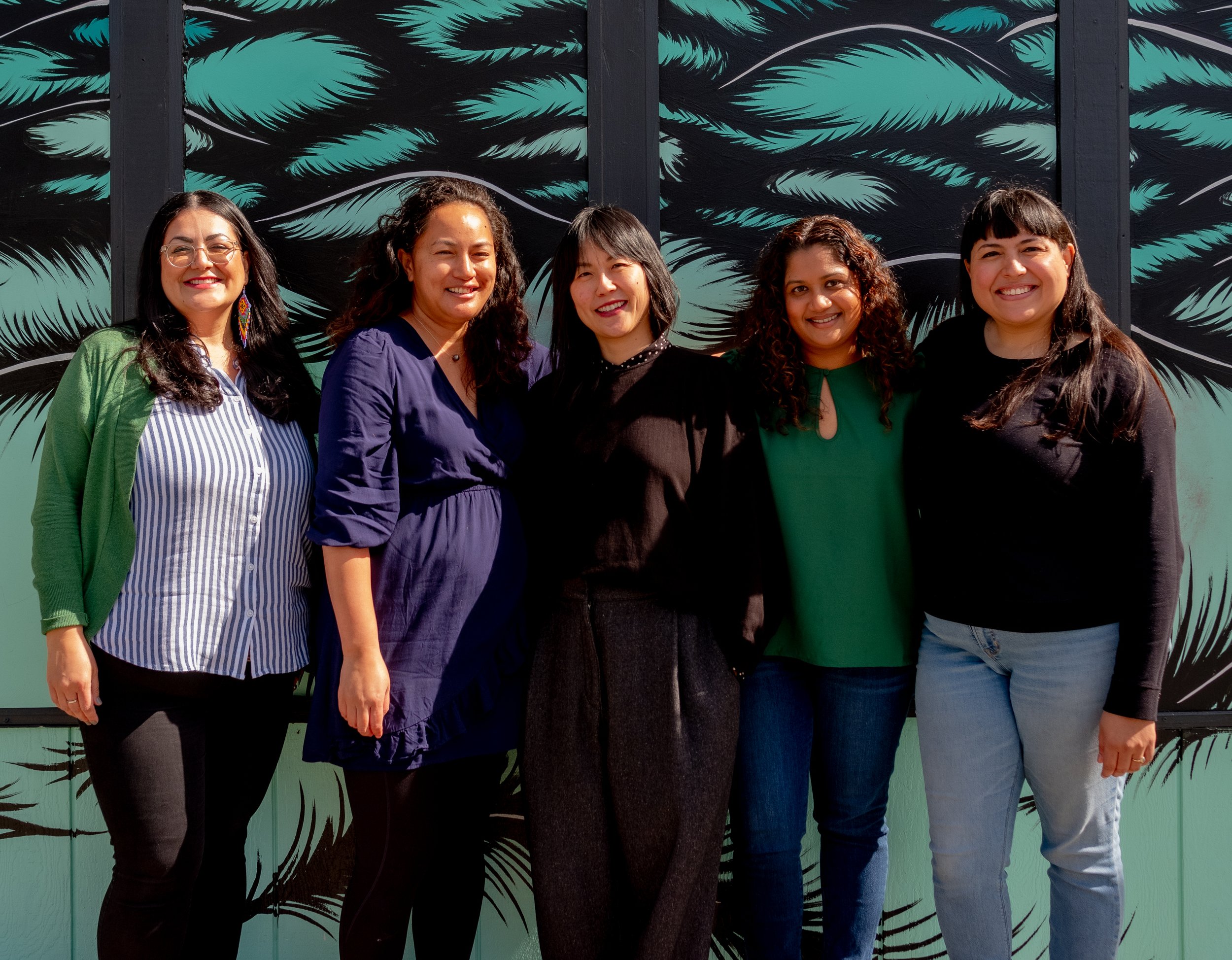
The work was shaped alongside a small, deeply collaborative team including Shwetha Sridharan, Irina Nuñez, Reina Rodríguez, and Cimone Satele. Together, we carried out multi-year, youth-led and community-led participatory research and evaluation projects, developing shared tenets rooted in decolonized, liberatory, and feminist traditions. This often meant deconstructing and reconstructing knowledge and even terms by unpacking dominant assumptions and rebuilding them in ways that reflected the realities and values of the communities we worked alongside.
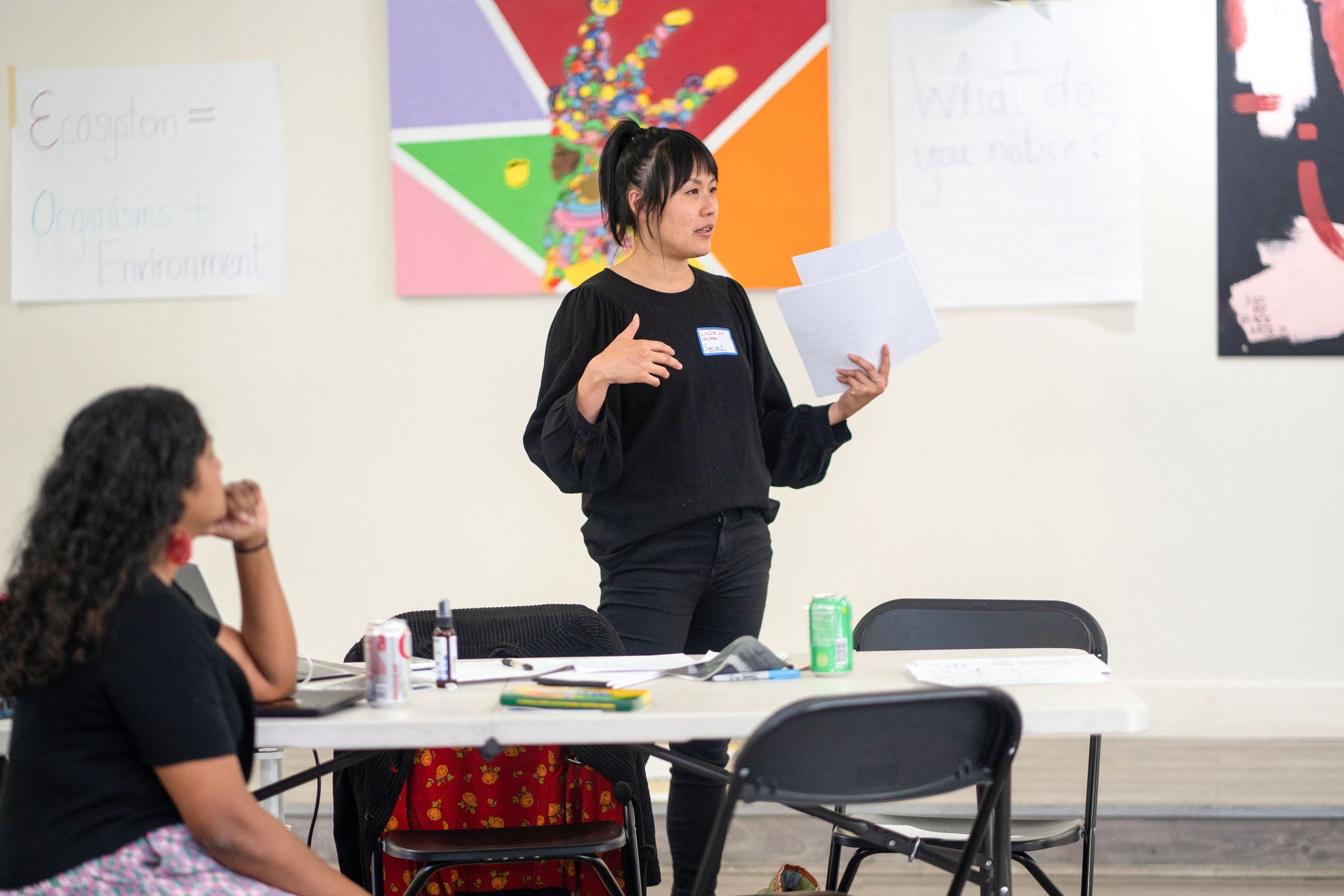
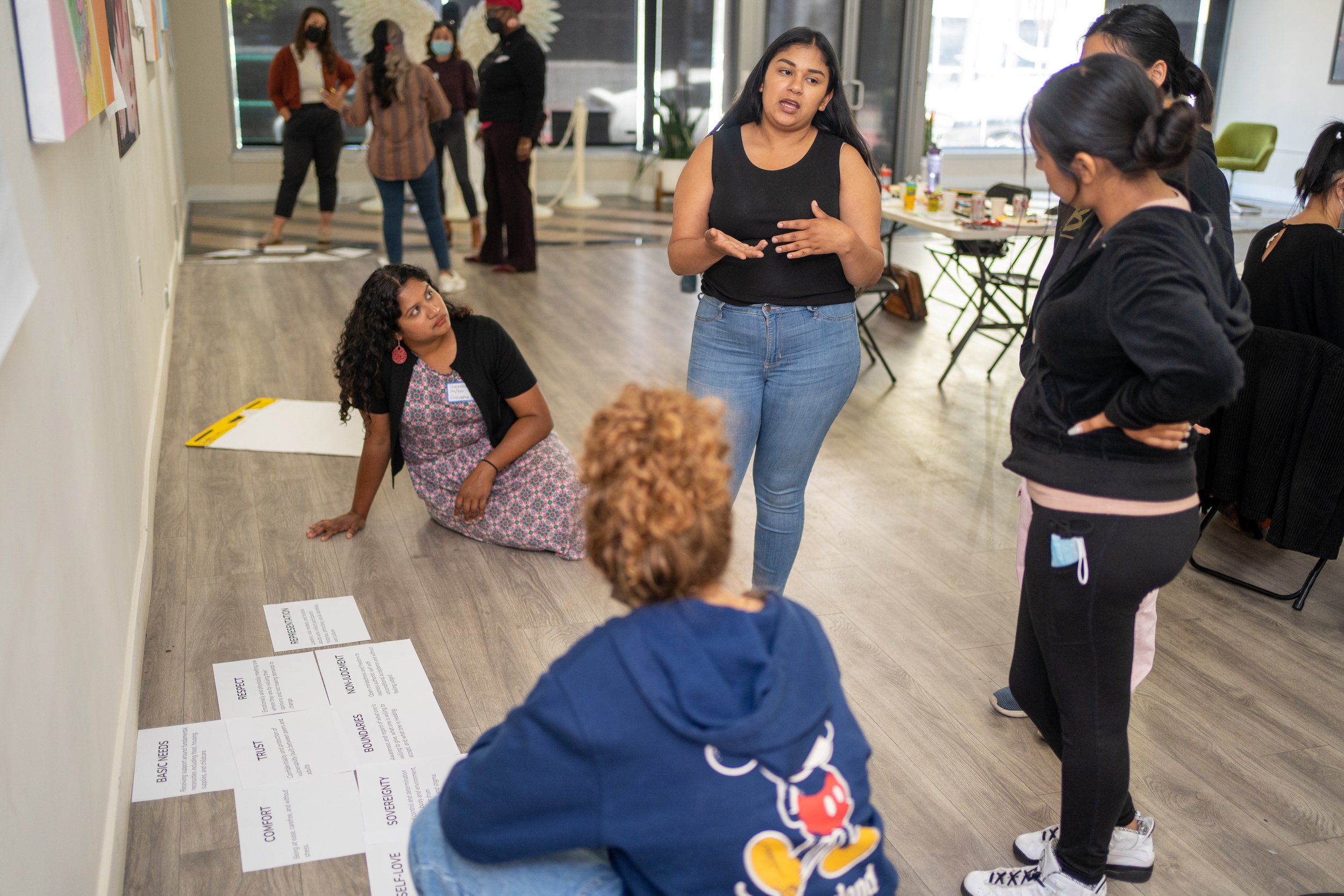
We worked to shift evaluation away from measuring communities and toward holding systems accountable for creating the conditions for people to thrive. In practice, this looked like co-created learning frameworks, community-designed questions, community learning exchanges, and collective sensemaking. It also meant making space for storytelling, artistic expression, and cultural practices as essential ways of knowing.
This work was grounded in real projects and relationships. While it can sound conceptual, it has been lived, tested, and practiced, and we are always open to sharing more. At its core, the intention was to stay in practice, learning alongside communities and contributing in small ways to more relational and regenerative approaches to research and evaluation.
As a firm led by women and gender-expansive people of color, our own lived experiences shaped how we understood impact. Not just as outcomes to measure, but as stories to understand, design for, and build with. Research and strategy were not neutral tools, but opportunities for connection, meaning-making, and transformation.
In 2023, Evaluation Studio merged with Alliance for Girls, where this work could continue within a broader community and movement. Linda stepped into the role of Co-Executive Director, bringing many of these practices, relationships, and approaches into the organization.
This transition reflected a shared belief that this work is strongest when embedded in community, where research, learning, and strategy are part of a larger ecosystem of care, advocacy, and collective action. It also created space to deepen participatory, feminist, and community-led approaches within one of the nation’s largest gender justice networks.
While Evaluation Studio no longer exists as a standalone practice, its spirit continues to live on in the people, partnerships, and practices that carry this work forward.
Looking ahead, Linda currently continues her vision and work at Innovation Network, contributing to a broader shift toward liberatory evaluation. She shares reflections, lessons, and practical tools through Good Knowledge, a blog grounded in over 16 years of postcolonial and feminist practice. She is also piloting Data Point, an evaluation tool designed to support small, grassroots organizations in making meaning from their own data.
Some of our former clients include:


Former Evaluation Studio Team

Linda Lu

Shwetha Sridharan
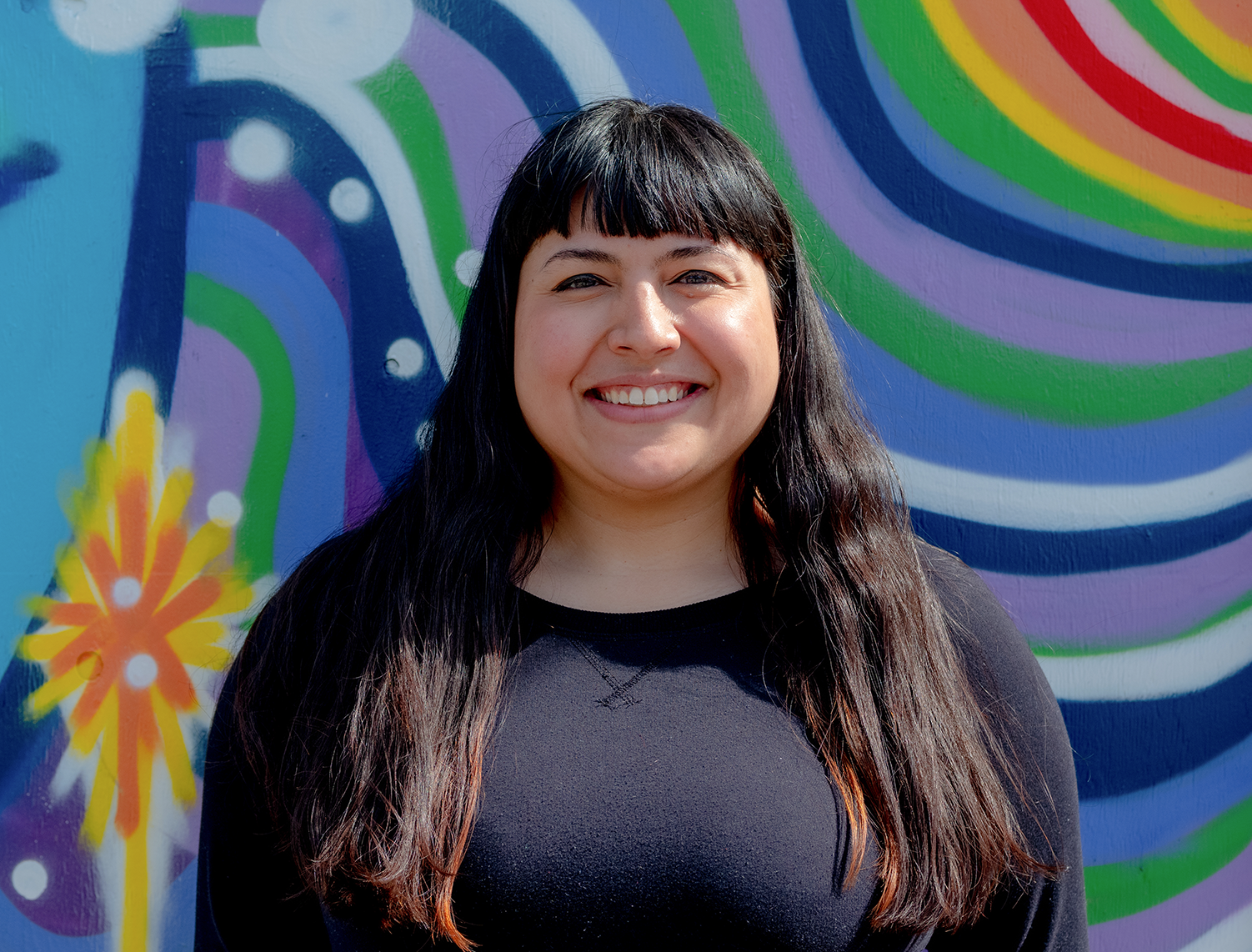
Irina Núñez

